
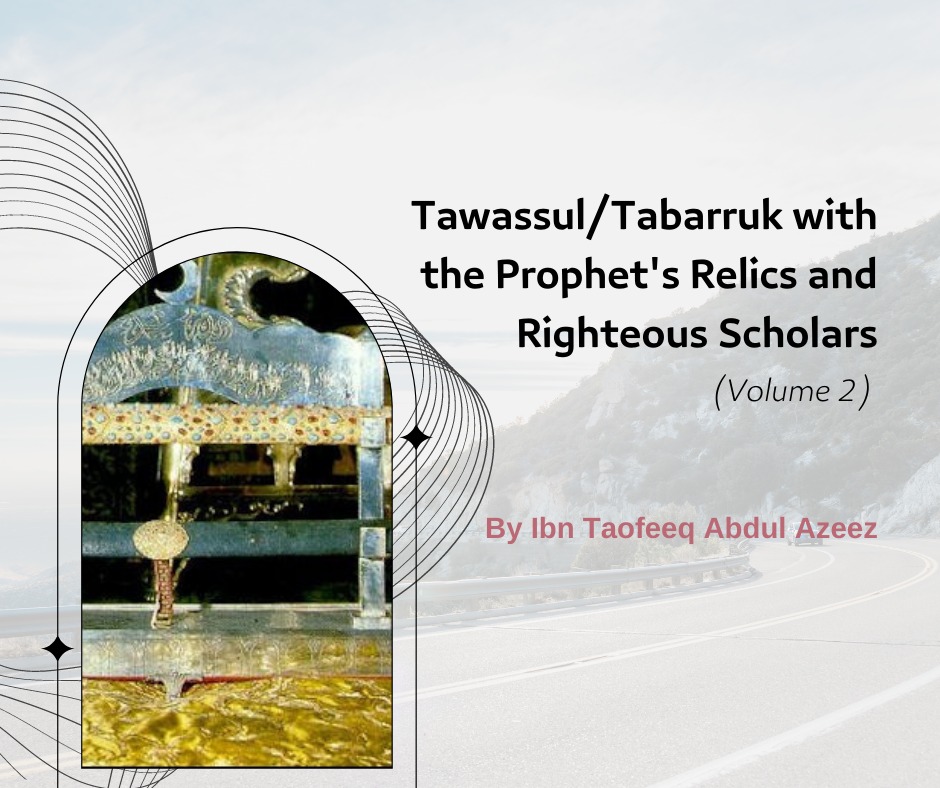
Take note! There are those who antagonise using the Prophet (or a righteous scholar/saint) as an intermediary (waseela), during his lifetime and also after his death, and some among the antagonist only claim that it was only permissible during his lifetime and impermissible after his death. Both are highly insincere in their verdicts. The former opine that the only correct thing is to meet the Prophet (whilst he was alive) and ask him to make Dua for you. That, in actuality, is also tawassul. Why do we ask, for example, a person who just returned from Hajj, to pray for us? Is this not because of the spiritual state we deem that person to be? That (s)he has been cleansed of their sins at the ka’abah. Others send prayer points/requests to people at the Haram. Is this bid’ah or haraam? لا! nobody disputes this. We have unequivocally used such a person as a waseela— طلب الدعاء من غيرك. There is اتفاق (unanimous consensus) of scholars throughout Islamic history over this.
Now, let us examine visitation of the Prophet’s grave… Na’am! I have remembered why I paused shortly. I wanted to mention visiting the Prophet’s ﷺ grave or that of a righteous scholars/Saint to make Dua. I wanted to examine if this was a right or wrong practice. Let us then ask a question(s), an intellectual one;
Does the soul return to the body of the deceased whom we visit his grave? Can the deceased hear when a person speaks at their grave or not? What is the merit of visiting the grave of a righteous scholar/Saint or the Prophet ﷺ or any of the Prophets?
Herein, as we have mentioned earlier, without being insincere, supplicating at a person’s grave does not unambiguously mean that we are supplicating to the one in the grave. It does not mean that they will be the one to answer such supplication. What it means is that we have only used the virtue of their presence in that space as a means/medium for our supplication to Allah. The two matters are dissimilar and this is about intentions— a hidden thing in the minds of people. You who does not know what the one visiting the grave intends, cannot judge it to be halaal or haraam, shirk or not. (This follows the القواعد الفقهية الكلية [fundamental legal maxim]:
الامور بمقاصدها (Al umooru bi maqaasidiha)
A matter is judged by it’s objective(s).
The issue of intentions is a very delicate one in Islam… My visiting a righteous scholar grave or the Prophet’s ﷺ at Medina to supplicate with the virtue of that space or that i ask the Prophet ﷺ to make Dua for me for a certain need. To illustrastrate for clearer understanding, supplicating using the words, “O Allah, by the virtue of my being in the Prophet’s place (grave), fulfill such-and-such need for me. Alternately, “As salaamu alayka, Yaa Rasoolallah. I have come to visit you and I ask by my visiting you (your grave), Allah fulfills such-and-such need for me.” In this illustration, the intention does not translate to asking the Prophet for one’s needs but asking Allah, through the Prophet’s status. This is very different from visiting a grave and making a direct supplication to the one (the Prophet, a Saint or anyone else) in that grave with the intention that they are the one to fulfill that need. This goes against the creed of a Muslim and I do not think that anyone who is truly Muslim has this kind of thought.
Proceeding, what is the ruling on visiting the Prophet’s ﷺ grave? The summary of it is that it is jaa’iz (permissible). The Qur’aan as well as the Sunnah explain its permissibility. What then is our evidence in the Qur’aan? Allah says:
(وَمَاۤ أَرۡسَلۡنَا مِن رَّسُولٍ إِلَّا لِیُطَاعَ بِإِذۡنِ ٱللَّهِۚ وَلَوۡ أَنَّهُمۡ إِذ ظَّلَمُوۤا۟ أَنفُسَهُمۡ جَاۤءُوكَ فَٱسۡتَغۡفَرُوا۟ ٱللَّهَ وَٱسۡتَغۡفَرَ لَهُمُ ٱلرَّسُولُ لَوَجَدُوا۟ ٱللَّهَ تَوَّابࣰا رَّحِیمࣰا)
(We sent not a messenger, but to be obeyed, in accordance with the will of Allah. If they had only, when they were unjust to themselves, come unto you and asked Allah’s forgiveness (via you), and the Messenger had asked forgiveness for them, they would have found Allah indeed Oft-returning, Most Merciful. [Surah An-Nisa: 64]
In the highlighted portions of the verse is the izn (permission) for Tawassul with the Prophet. The words فَٱسۡتَغۡفَرُوا۟ and وَٱسۡتَغۡفَرَ (following the verb form استفعل) indicate طلب الغفران— seeking pardon/forgiveness (from/through). A person may object, “this is not the interpretation of the verse! Which of the salaf interpreted it as such?…” We would ask him/her to remain calm as we do not make interpretions except by the sciences of Tafseer. Let us take a look at the tafseer of the verse to determine what Allah intended by it and how the Prophet explained it to the Companions. The popular tafseer that everyone agrees about its soundness is Tafseer Ibn Katheer.
وقوله: ﴿وَلَوْ أَنْهُمْ إِذْ ظَلَمُوا أَنْفُسَهُمْ جَاءُوكَ فَاسْتَغْفَرُوا اللَّهَ وَاسْتَغْفَرَ لَهُمُ الرَّسُولُ لَوَجَدُوا اللَّهَ تَوَّابًا رَحِيمًا﴾ يُرْشِدُ تَعَالَى الْعُصَاةَ وَالْمُذْنِبِينَ إِذَا وَقَعَ مِنْهُمُ الْخَطَأُ وَالْعِصْيَانُ أَنْ يَأْتُوا إِلَى الرَّسُولِ ﷺ فَيَسْتَغْفِرُوا اللَّهَ عِنْدَهُ، وَيَسْأَلُوهُ أَنْ يَسْتَغْفِرَ لَهُمْ، فَإِنَّهُمْ إِذَا فَعَلُوا ذَلِكَ تَابَ اللَّهُ عَلَيْهِمْ وَرَحِمَهُمْ وَغَفَرَ لَهُمْ، وَلِهَذَا قَالَ: ﴿لَوَجَدُوا اللَّهَ تَوَّابًا رَحِيمًا﴾
وَقَدْ ذَكَرَ جَمَاعَةٌ مِنْهُمْ: الشَّيْخُ أَبُو نَصْرِ بْنُ الصَّبَّاغِ فِي كِتَابِهِ “الشَّامِلِ” الْحِكَايَةَ الْمَشْهُورَةَ عَنْ العُتْبي، قَالَ: كُنْتُ جَالِسًا عِنْدَ قَبْرِ النَّبِيِّ ﷺ، فَجَاءَ أَعْرَابِيٌّ فَقَالَ: السَّلَامُ عَلَيْكَ يَا رَسُولَ اللَّهِ، سَمِعْتُ اللَّهَ يقول: ﴿وَلَوْ أَنَّهُمْ إِذْ ظَلَمُوا أَنْفُسَهُمْ جَاءُوكَ فَاسْتَغْفَرُوا اللَّهَ وَاسْتَغْفَرَ لَهُمُ الرَّسُولُ لَوَجَدُوا اللَّهَ تَوَّابًا رَحِيمًا﴾ وَقَدْ جِئْتُكَ مُسْتَغْفِرًا لِذَنْبِي مُسْتَشْفِعًا بِكَ إِلَى رَبِّي ثُمَّ أَنْشَأَ يَقُولُ:
يَا خيرَ مَنْ دُفنَت بِالْقَاعِ أعظُمُه … فَطَابَ منْ طِيبِهِنَّ القاعُ والأكَمُ …
نَفْسي الفداءُ لقبرٍ أَنْتَ ساكنُه … فِيهِ العفافُ وَفِيهِ الجودُ والكرمُ …ثُمَّ انْصَرَفَ الْأَعْرَابِيُّ فَغَلَبَتْنِي عَيْنِي، فَرَأَيْتُ النَّبِيَّ ﷺ فِي النَّوْمِ فَقَالَ: يَا عُتْبى، الحقْ الْأَعْرَابِيَّ فَبَشِّرْهُ أَنَّ اللَّهَ قَدْ غَفَرَ له .
“Many have stated this tradition. One of them is Abū Mansūr Sabbagh who writes in his book al-Hikayat-ul-mashhurah that, according to ‘Utbi, once he was sitting beside the Prophet’s grave when a bedouin came and he said, “Peace be on you, O Allah’s Messenger. I have heard that Allah says: ‘(O beloved!) And if they had come to you, when they had wronged their souls, and asked forgiveness of Allah, and the Messenger also had asked forgiveness for them, they (on the basis of this means and intercession) would have surely found Allah the Granter of repentance, extremely Merciful.I have come to you, asking forgiveness for my sins and I make you as my intermediary before my Lord and I have come to you for this purpose.” Then he recited these verses of Nisaai.
“O, the most exalted among the buried people who improved the worth of the plains and the hillocks! May I sacrifice my life for this grave which is made radiant by you, (the Prophet,)
the one who is (an embodiment) of mercy and forgiveness.”
Then the bedouin went away and I fell asleep. In my dream I saw the Holy Prophet. He said to me: O ‘Utbi, the bedouin is right, go and give him the good news that Allah has forgiven his sins.”
[Ibn Kathir, Tafsir-ul-Qur’an al-azim Volume 004, Page No. 140, Under the Verse 4:64]
It is worthy to note that the dream of ‘Utbi (the righteous can see the Prophet ﷺ in a dream), like anyone else, is not used to establish Ahkaam (rulings) but what a ruling is derived from is the action of the bedouin Arab by visiting the Prophet’s grave.
There are other verses of the Qur’aan e.g. …واستغفر لذنبك و للمؤمنين والمؤمنات… which point to the same thing. Some people argue the interpretation of these verses but we can evidently see from the Companions, the understanding they derived from these verses by their visiting the Prophet’s ﷺ grave. We can find this in Saheeh Muslim. The ahaadeeth we shall enumerate will authenticate the practice of visiting the Prophet’s grave and doing Tawassul.
Returning to the question I asked earlier about whether the dead can hear what is being said at their grave. Yes, they can and this is proven sufficiently in ahaadeeth. From the prophetic narrations, we garner that the soul is returned to the body of a dead person and they can hear footsteps and what is said but they the living cannot hear their response. Before I move on from this حكاية (قصة— anecdote/narration), I’d like to mention that Ibn Taymiyyah (رحمه الله), although he antagonises tawassul and regards it as haraam and even shirk, in his Iqtida’u siraat Al-mustaqeem Vol.1, pg. 289 says:
والهاذا استحب طائفة من تآخر الفقهاء من أصحاب الشافعي و أحمد مثل ذالك واحتجوا بهاذه الحكايه…
“And this is a preference indicated (for making tawassul with the Prophet) from the later fuqaha (jurists) from the Shaafi’iyyah and likewise the Hanaabilah who rely on this anecdote (by ‘Utbi)…”
He (Ibn Taymiyyah) admits this, although he says about the حكاية that لا يثبت عنده ‘(it is not firmly established). Whether this is true or not is another discussion entirely.
Let us now examine some other ahaadeeth which show that the Companions would visit the Prophet’s grave to do tawassul.
من حخ البيت ولم يزرني فقد جفاني.
Who ever performs Hajj and does not visit me, then he has estranged me.
[رواه ابن عدي بسند يحتج به، قال جفاؤه صل الله عليه وآله و سلم حرام. فعدم زيارته المتضمن الجفائه حرام]
From this narration (in Saheeh Muslim), there arose a difference of opinion amongst the scholars of the Salaf and Khalaf about whether it is an obligation (waajib) or a recommendation (Mandub/Sunnah) to visit the Prophet’s ﷺ grave. Most of them opine that it is ‘Sunnah— (What attracts a reward if done and does not attract a punishment if left undone) rather than an obligation— (What attracts a reward if done and attracts a punishment if left undone). They say that the word جفاؤه does not imply neglecting the Sunnah (sayings, actions and approvals) of the Prophet (which would be blameworthy).
من زار قبري وجبت له شفاعتي. و في رواية: …حلت شفاعتي.
Whoever visits my grave, it is compulsory for me to intercede for him.
[أخرجه الدرقطني في سننه برقم: ١٩٤، و البيهقي في شعب الإيمان برقم :٤١٥٩.]
Let me chip this in, as I would not have the luxury of time to enumerate all the evidences. Do not be surprised if some people insist that these evidences are not sound with sayings like, “these are ahaadeeth quoted by the Sufis/Shi’is. They are not sound.” The simple question to ask such a person is, “who amongst the salaf say that these ahaadeeth are not Saheeh?” With this question, you have boxed him in a corner as he will be unable to give a proper response. He will resort to quoting Al-Albaani, Ibn Taymiyyah and before these personalities, all of the scholars of the salaf without exception agree on the soundness of these ahaadeeth and as well interpreted them in the way we have done (that it indicates tawassul).
So, you who says that it is Salafiyyah we should follow, self-identifying as Salafi, that we should follow the manhaj (methodology/curriculum) of the Prophet, we should follow the path of the Companions and their Successors; are now the same person indirectly opposing them and what they affirmed.
Ibn Taymiyyah was born in 661H and died in 728H. He was a contemporary with Ibn Katheer who learnt some knowledge of hadeeth from him. Ibn Katheer was born in 701H (the early beginning of the 8th century) and died in 774H. We shall also mention from sayings Imaam Adh-Dhahabi, of the contemporaries of Ibn Taymiyyah, who was born in 673H and died in 748H. Imaam Al-Bayhaqi who collected the above hadeeth (no. 3) was born in 384H and died in 458H. So, when some people exalt the متاخرون من العلماء (Later generation of scholars), who came much later, and in history not part of the salaf, above the early generation of scholars and say that it is the later ones we should follow, then this is a serious blunder.
To be continued…..
Original and full audio of this lecture in yoruba language can be found on our Halqah Facebook group below:
https://m.facebook.com/groups/1219889145143341/permalink/1280961869036068/
Transcribed by: Ogundele, AbdulQayyum Afolabi